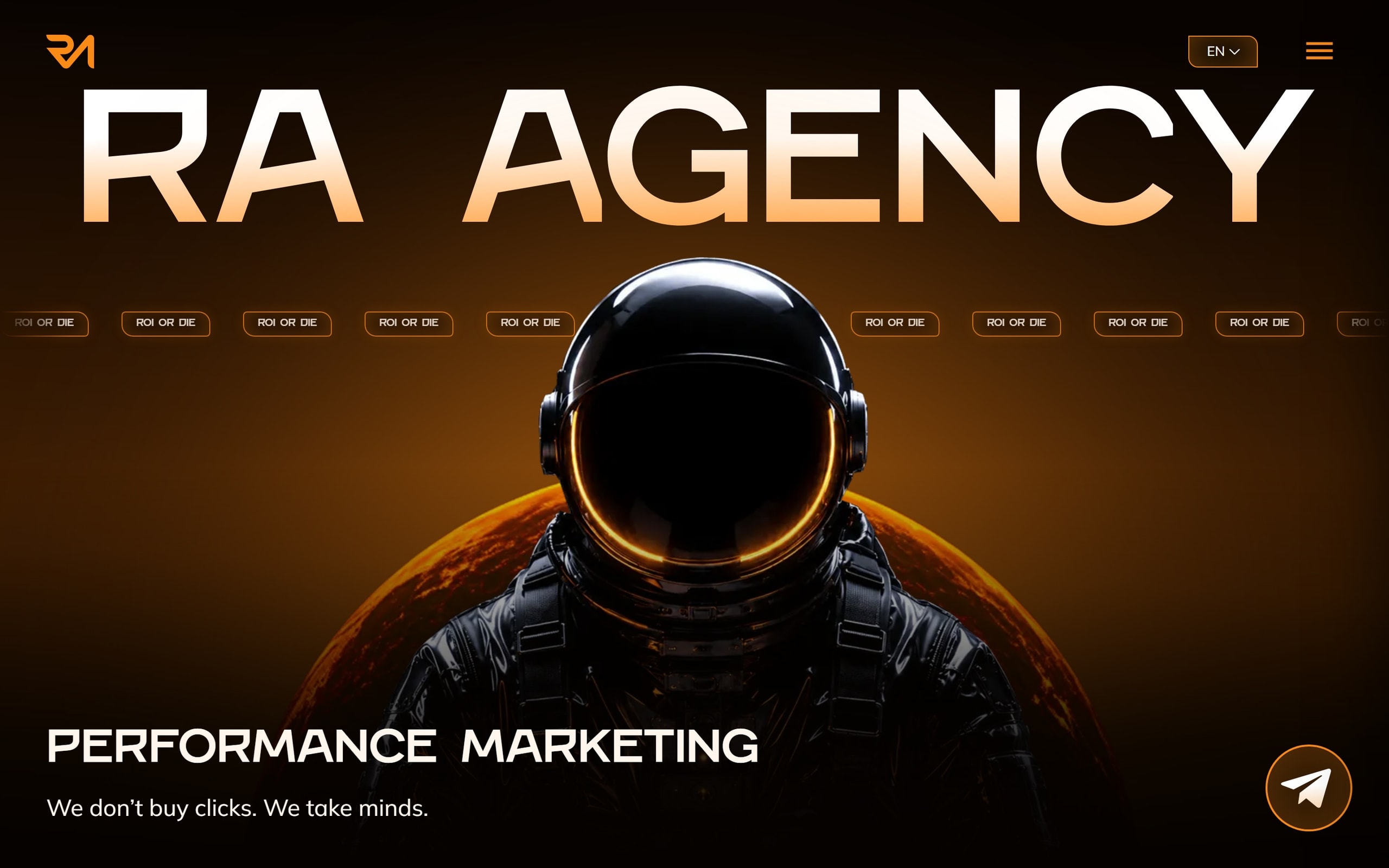
WebsitePerformance marketing2025
RA Agency
A trilingual performance-marketing site built around case evidence
- 3
- Ad channels
- Telegram Ads · Meta Ads · Google Ads — each with its own page
Digital product engineering studio — Kyiv · Remote across EU
Strategy, design, engineering and infrastructure in one team — from the first sketch to production.
The system
Eight things we build, and the connections between them. Most products need more than one — pick any node.
Work
Every case study links to the live build. Every number comes from the product itself, not from a deck.
WebsitePerformance marketing2025
A trilingual performance-marketing site built around case evidence
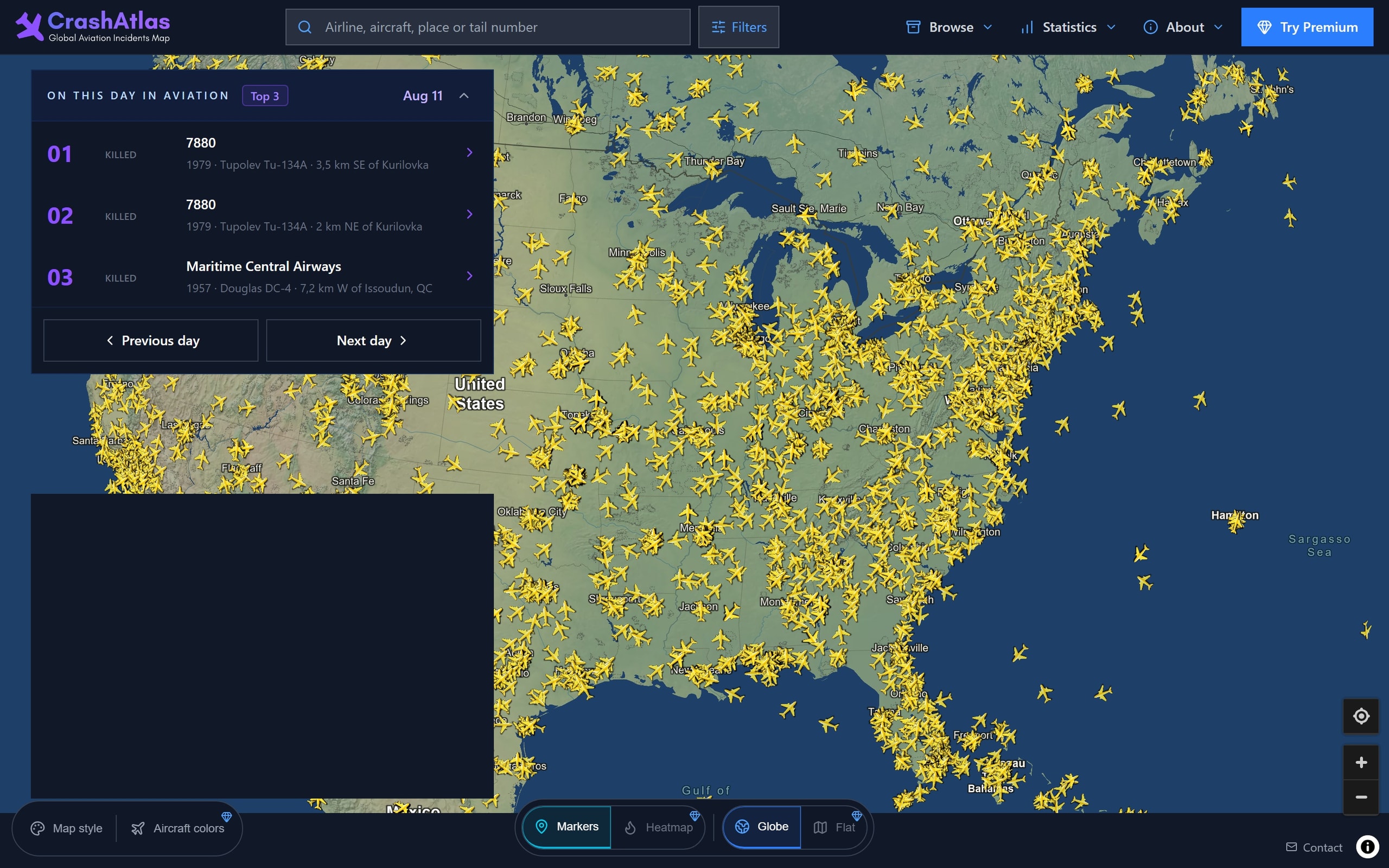
Data platformAviation data2026
An aviation accident database and interactive crash map covering a century of flight
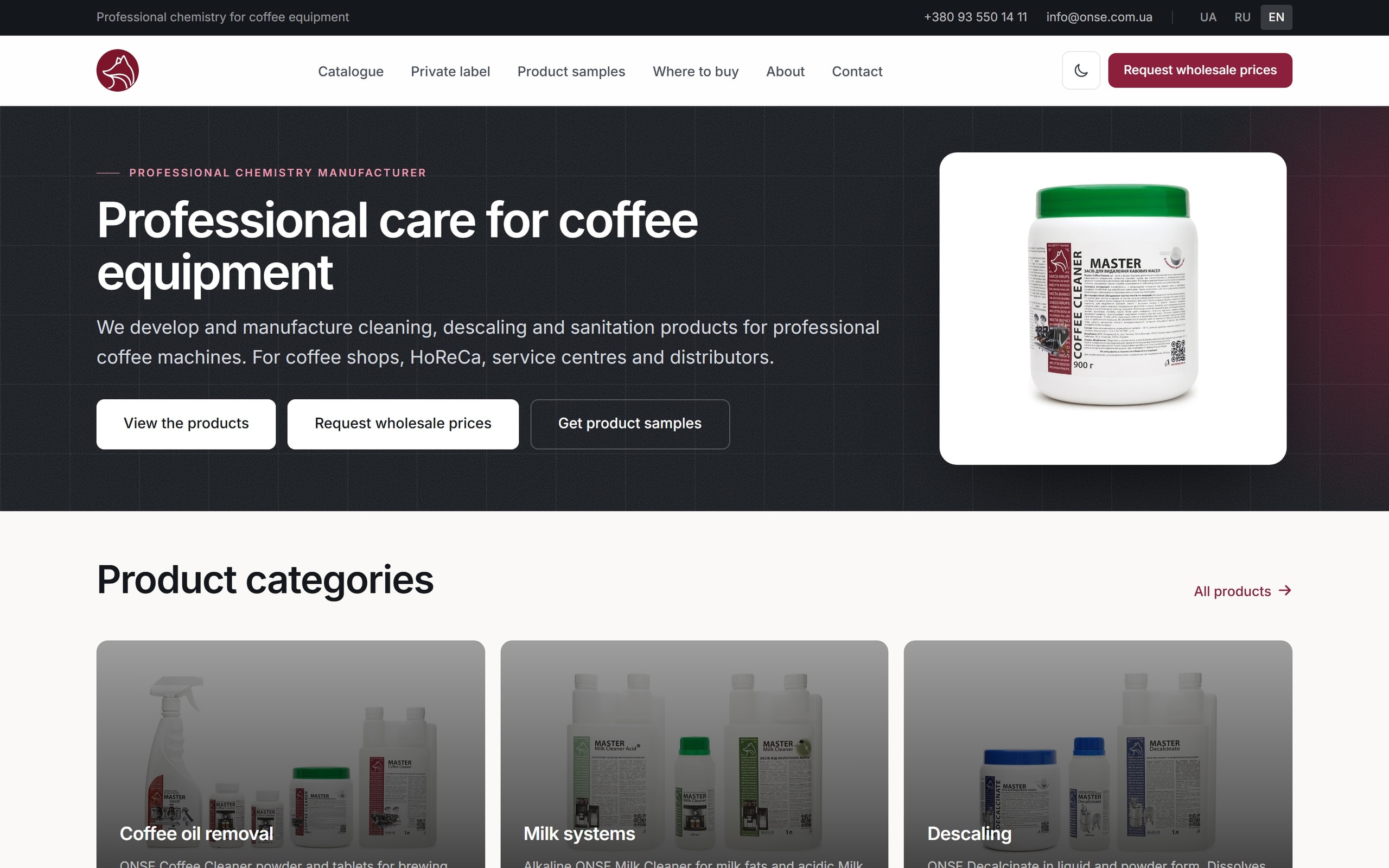
WebsiteCoffee equipment chemistry2026
A trilingual B2B catalogue for a Ukrainian chemistry manufacturer, run entirely from its own CMS
Approach
We work out the problem first and decide what to build second. Saying “you don't need this” costs us the project and keeps the relationship.
Sometimes it is a website.
Sometimes it is an internal system.
Sometimes it is two days of automation.
Sometimes nothing needs building at all.
Idea to production
Here is the same product at every stage — from a problem written down to a system that holds under load.
01Idea
First we write down what has to change in the business. If it does not fit in one sentence, it is too early to build.
02Structure
Flows, screens, data — and what the first version will not have. Deleting a feature is cheapest right here.
03Interface
Components, states, tokens. Every next screen is assembled from what already exists, which is why the second one costs less than the first.
04Data
A dashboard is not a report. Every number on it is there because somebody has to act on it — the rest is decoration that costs money to keep.
05System
Data model, services, queues, integrations. Architecture decisions are written down as they are made — with the reason attached.
06Production
Deploys, migrations, monitoring and alerts are working before the first real user. The rollback is planned before it is needed.
Why Silka
Every handoff between suppliers is a place where a decision loses the reason it was made for.
The usual way
Client
Five contracts, five schedules, and nobody who owns the outcome end to end.
Our way
Client
One contract. Whoever designed the data model also owns what the interface looks like three months later.
One product. One team. One line of accountability.
Philosophy
A good product does not begin with a React component. It begins with understanding what the business is trying to change — and everything downstream is a consequence of that.
Code is the seventh link. Everything before it decides whether the product holds.
By the time anyone writes code, the hard decisions are already made — and written down. That is why the estimate holds.
Describe what has to change in your business. We will work out what that actually takes — including when it takes less than you think.