E-commerce2026UA
Tvorivo
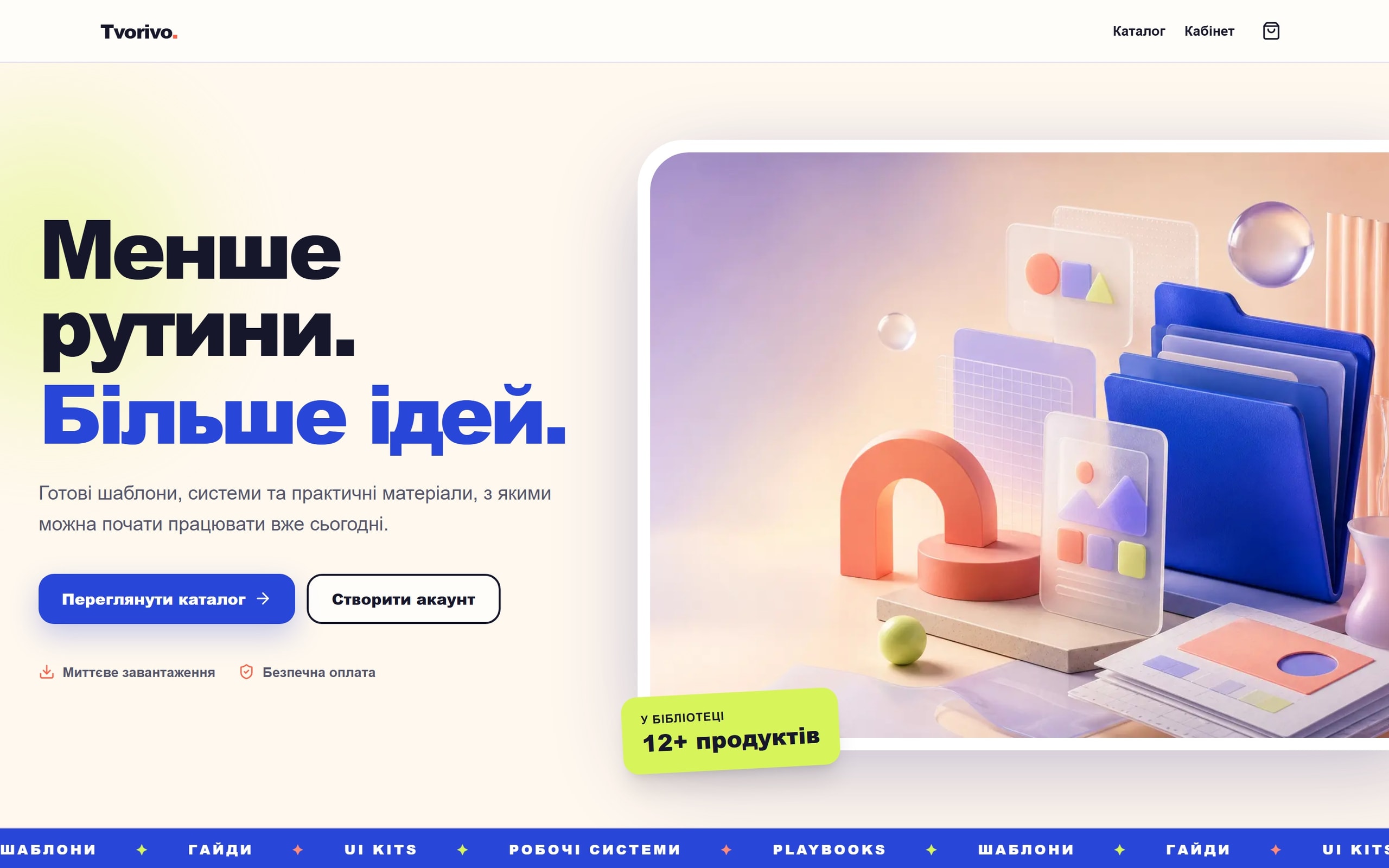
Templates, UI kits, guides and work systems — a storefront for products that are delivered the moment they are bought.
- E-commerce
- Web App
- Accounts
- Payments
- Industry
- E-commerce
- Engagement
- 7 weeks
- Team
- 1 designer · 1 engineer
- Platforms
- Storefront · Customer account · Category hubs
01
Challenge
Selling digital products removes shipping and stock but adds a different problem: nothing is physical, so every purchase decision rests entirely on how well the product is demonstrated before payment.
The catalog also spans four unrelated categories — design, marketing, productivity, development — which pull in different directions if you let them share one generic template.
- Catalog
- Templates · UI kits · guides · work systems
- Categories
- Design · Marketing · Productivity · Development
- Delivery
- Instant, on payment
02
Solution
Each category gets its own hub with a presentation model suited to what it sells — a UI kit is shown as components, a Notion system as a structure, a guide as a table of contents.
Purchase is deliberately short: no cart ritual for single-item buys, payment, and access granted to the account immediately.
The account area is the delivery mechanism — every purchase stays available for re-download, including updated versions.
- Presentation
- Per-category product model
- Checkout
- Short path, instant access
- Delivery
- Account library with updates
03
Architecture
- L0StorefrontISRAccountPurchases
- L1APIService
- L2CatalogProducts, categoriesOrders & accessService
- L3PostgreSQLDataObject storageSigned URLs
- L4PaymentsExternalEmailExternal
Connections (8)
- Storefront → API
- Account → API
- API → Catalog
- API → Orders & access
- Orders & access → PostgreSQL
- Orders & access → Payments
- Orders & access → Object storage · signed URL
- Orders & access → Email · receipt + access
04
UX
Product pages answer one question first — what exactly do I get — with contents, format and preview above anything persuasive.
Category hubs act as landing pages in their own right, so search traffic arrives at a curated shelf rather than a generic catalog.
05
UI
Clean, product-forward and quiet: the goods are visual, so the interface stays out of their way.
Prices are set in hryvnia with consistent tabular figures, and every product card carries the same four facts in the same place.
06
Development
Catalog pages are statically generated and revalidated on content change; only the account area and checkout are dynamic.
File access is granted through short-lived signed URLs issued after a verified purchase, so a shared link expires rather than leaking a product.
07
What it does
Category hubs
Design, marketing, productivity and development, each with a tailored product model.
Product previews
Contents, format and preview before any persuasion.
Short checkout
Single-item purchase without a cart ritual.
Account library
Every purchase re-downloadable, including updated versions.
Signed delivery
Short-lived signed URLs issued only after a verified purchase.
Featured products
Editorial merchandising across the catalog.
08
Integrations & stack
Integrations
- Payment provider
- Object storage
- Email receipts
- Analytics
Frontend
- Next.js
- TypeScript
- Tailwind CSS
- next/image
Backend
- Node.js
- PostgreSQL
- Object storage
- Signed URLs
Commerce
- Payments
- Order & entitlement model
09
Where it landed
- Instant
- Delivery
- Signed URLs
- File security
- Per-type presentation
- Category model
- Static
- Catalog pages
Access granted on payment
Shared links expire
Dynamic only where it must be
A store where the product does the selling: what you get is visible before checkout, and you have it before you close the tab.
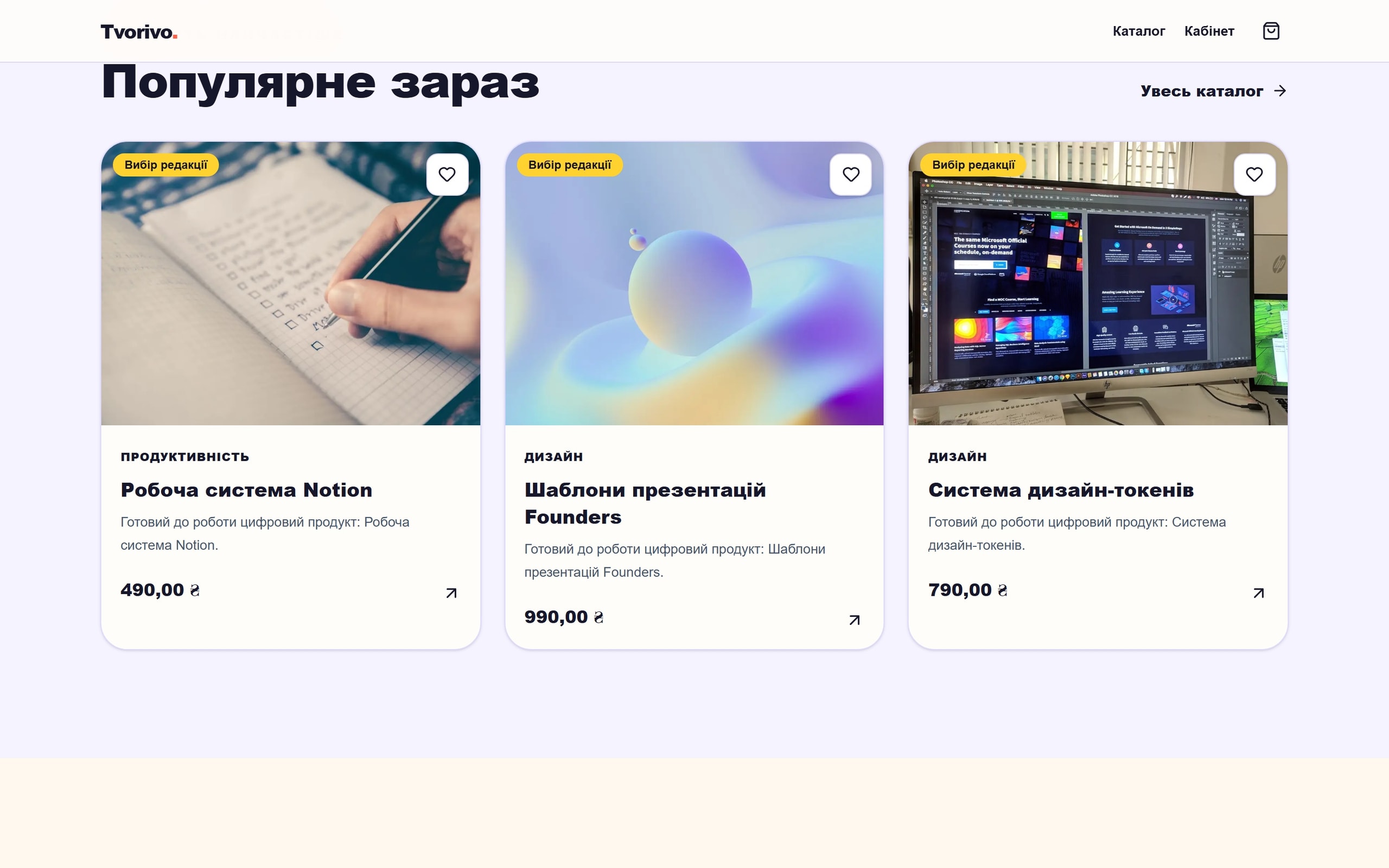
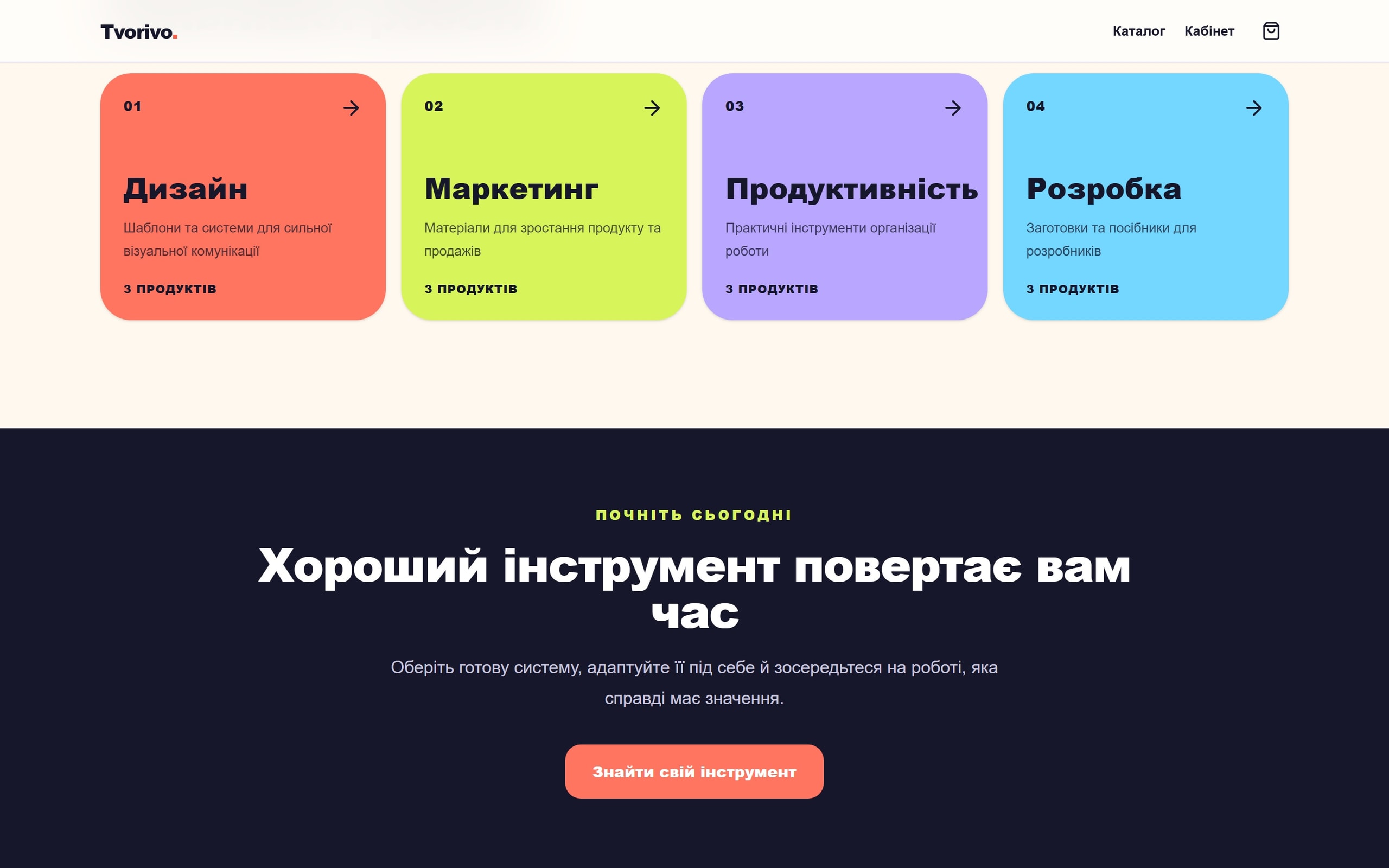
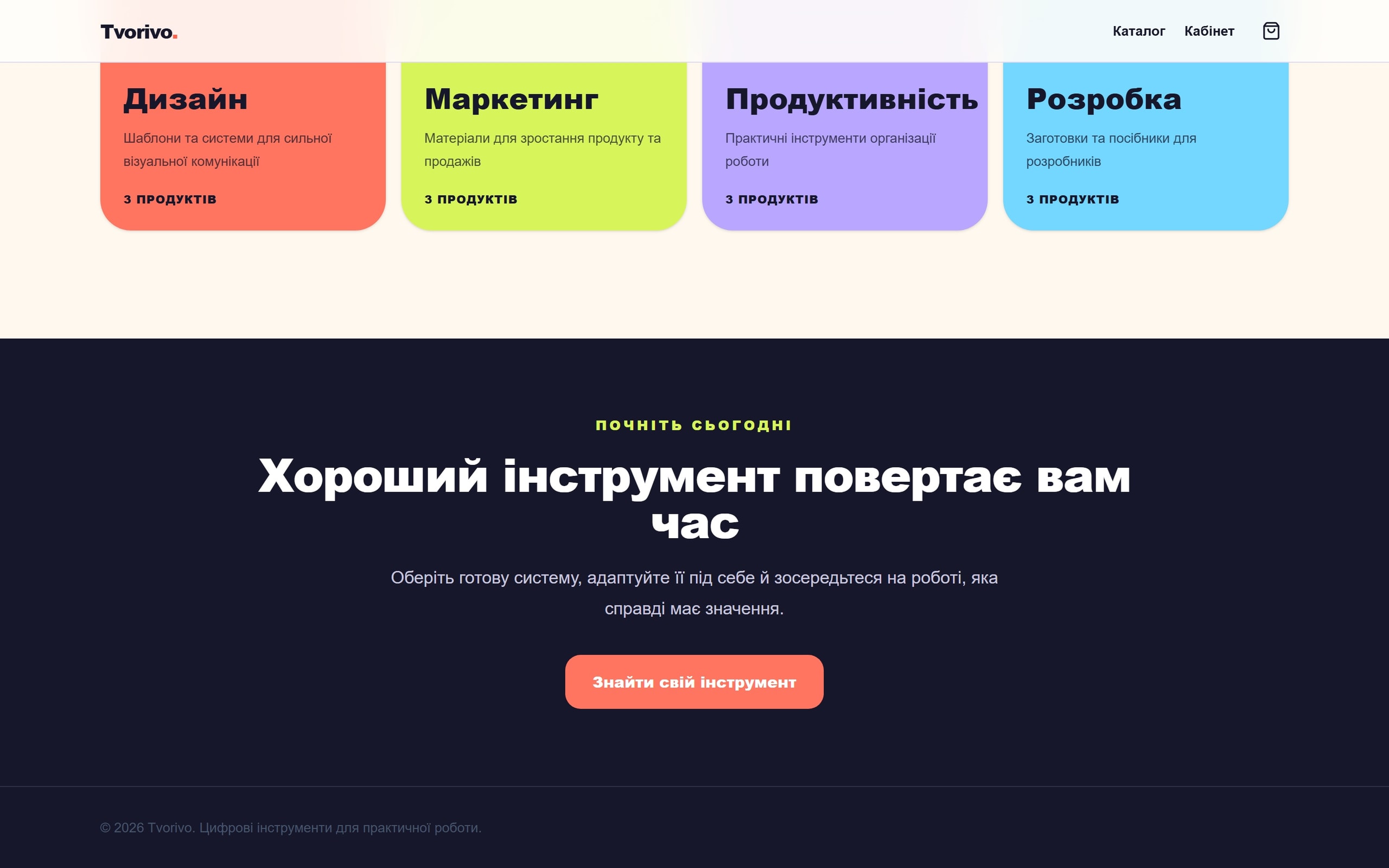

Every build is designed for the phone as its own experience, not as a narrowed desktop layout.
Got a product that should exist by now?Tell us about it.
Describe what has to change in your business. We will work out what that actually takes — including when it takes less than you think.